
A drug class outgrowing its chemistry
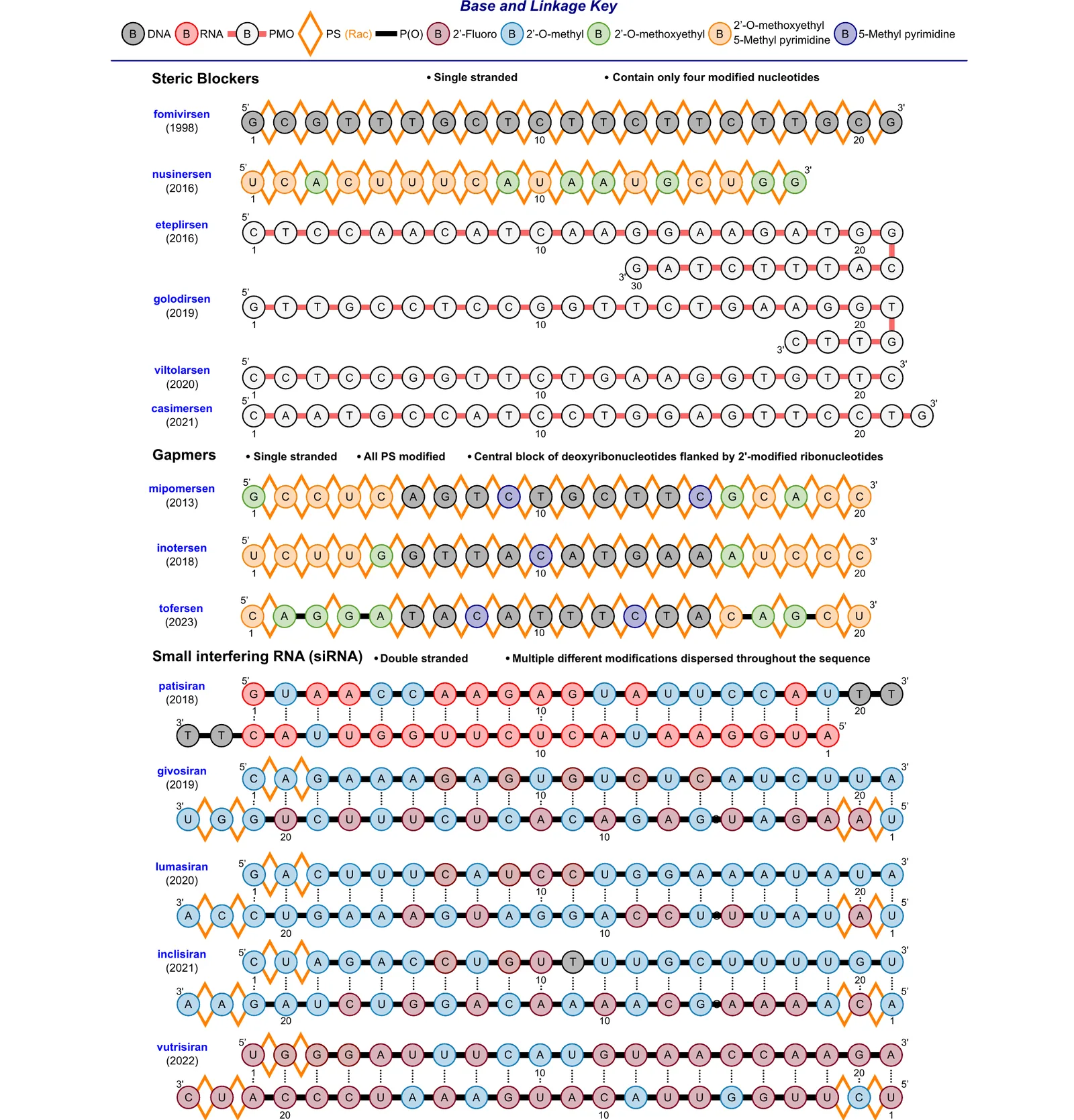
Oligonucleotide medicines — antisense strands and siRNAs — switch genes down by pairing with their messages. Unlike most drugs, they do not have to bind the disease-related protein itself; they bind the mRNA that encodes it. Promising sequences can be predicted from the target gene, then tuned with chemical modifications and delivery vehicles.
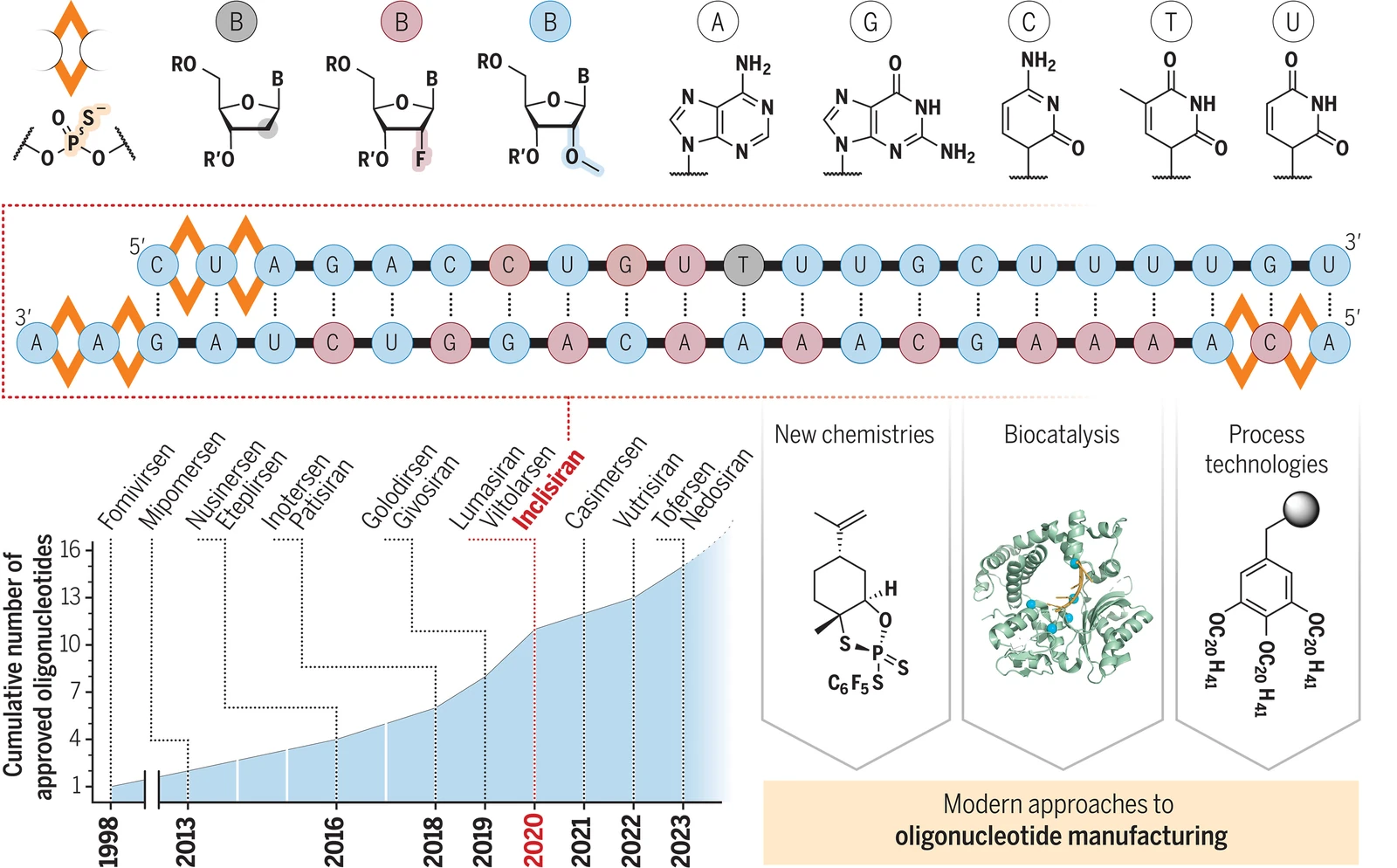
The list of approved drugs has grown steadily since the first, fomivirsen, in 1998. Early therapies were mostly for rare diseases. The 2024 Science review co-authored with Sarah Lovelock’s group at Manchester points to the approval of inclisiran, a cholesterol-lowering siRNA acquired by Novartis, as a turning point: atherosclerotic cardiovascular disease affects about 30 million people in the United States alone and is the leading cause of mortality worldwide.
The chemistry that makes them has changed far less. Nearly every oligonucleotide is still built one link at a time on a solid support by the phosphoramidite method, developed in the early 1980s by Caruthers, Beaucage and others. It is a triumph: as the lab’s 2021 Outlook puts it, its impact “cannot be overstated.” But the 2024 review warns that existing methods “are limited by their scalability and sustainability,” just as new therapies may need “multiton quantities.”
The constraints are concrete. Solid-phase synthesis is limited to batches of less than 10 kilograms, because larger columns give nonlinear flow and lower purity. In-line monitoring is difficult, and large excesses of phosphoramidite building blocks are needed to keep couplings efficient. Washing away leftovers, then chromatographically removing impurities — depurinations, base modifications, cyanoethyl adducts and truncated sequences — consumes prohibitively large volumes of acetonitrile, about 1,000 kilograms per kilogram of oligonucleotide. Even after purification, RNA-based therapeutics on the market are typically produced at about 90% purity. For strands that contain phosphorothioate (PS) linkages, the chemistry also produces a complex mixture of 2n−1 stereoisomers, where n is the number of nucleotides.
How a short strand becomes a medicine
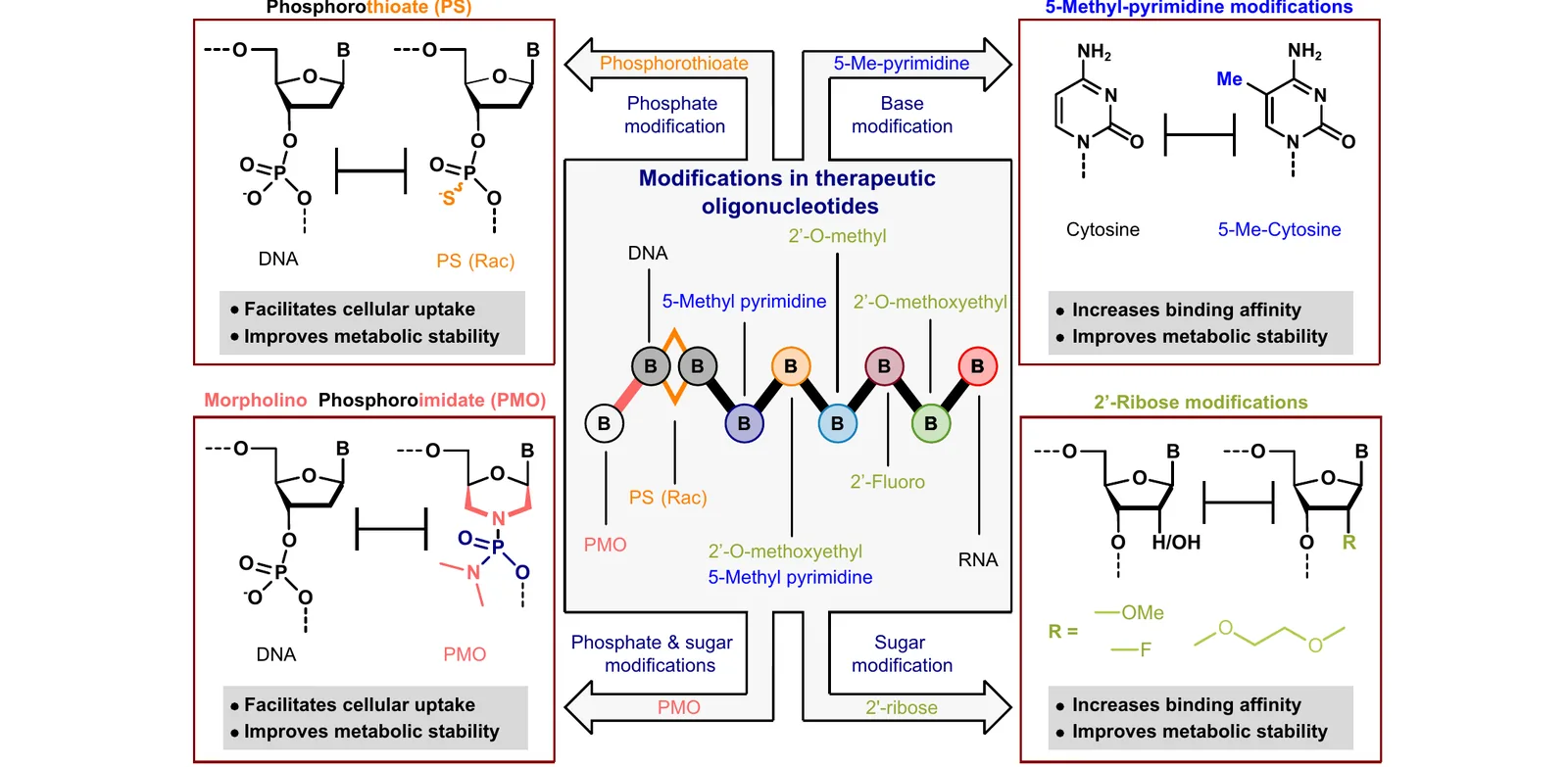
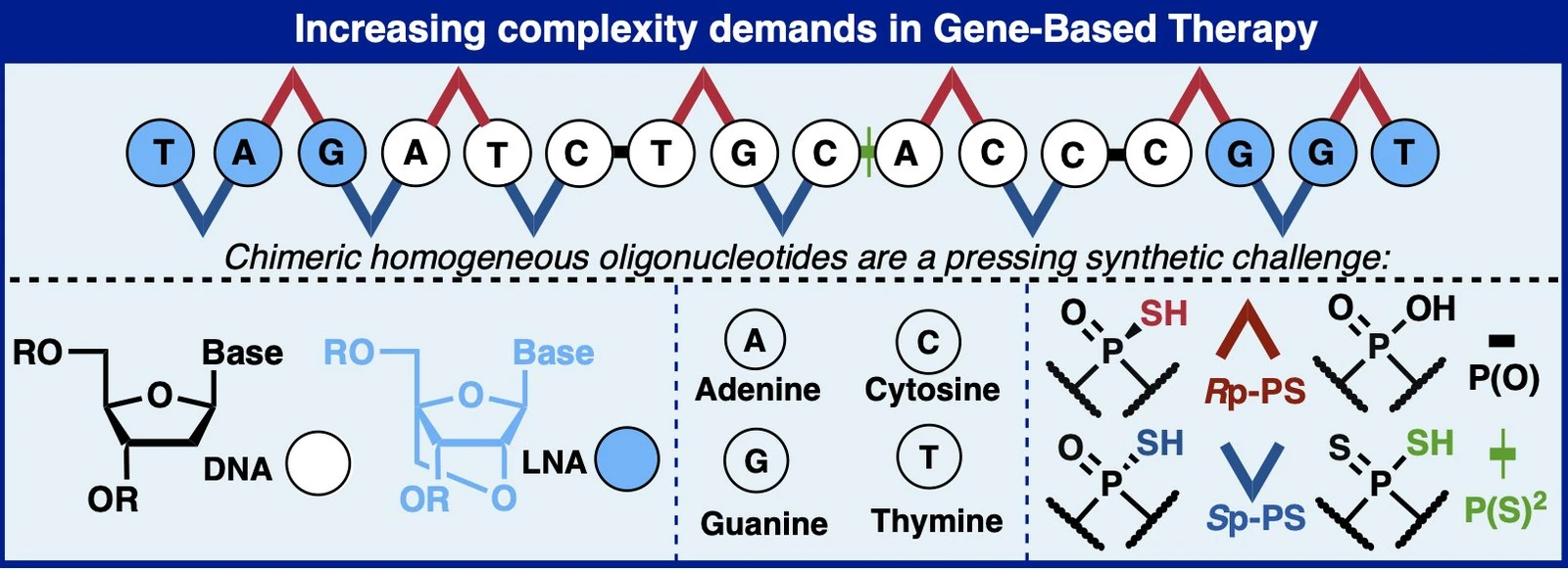
Therapeutic oligonucleotides are chemically modified nucleic-acid analogues, typically about 20 nucleotides long. The most prevalent backbone change is the phosphorothioate linkage, in which a non-bridging oxygen of the phosphate is replaced by sulfur. PS linkages appear in nine FDA-approved therapeutics, including fomivirsen; they help the drug resist nucleases and enter cells, but they also make each phosphorus a stereocentre (denoted RP or SP) that can influence activity. Another common backbone is the charge-neutral phosphorodiamidate morpholino (PMO), used in eteplirsen, golodirsen, viltolarsen and casimersen for Duchenne muscular dystrophy. Common 2′-ribose substitutions — 2′-fluoro, 2′-O-methyl and 2′-O-methoxyethyl — improve metabolic stability and favour an RNA-like sugar shape; 5-methylation of pyrimidines in antisense strands can increase binding to the mRNA target.
Nature chose phosphates
“Where there is life there is phosphorous.”
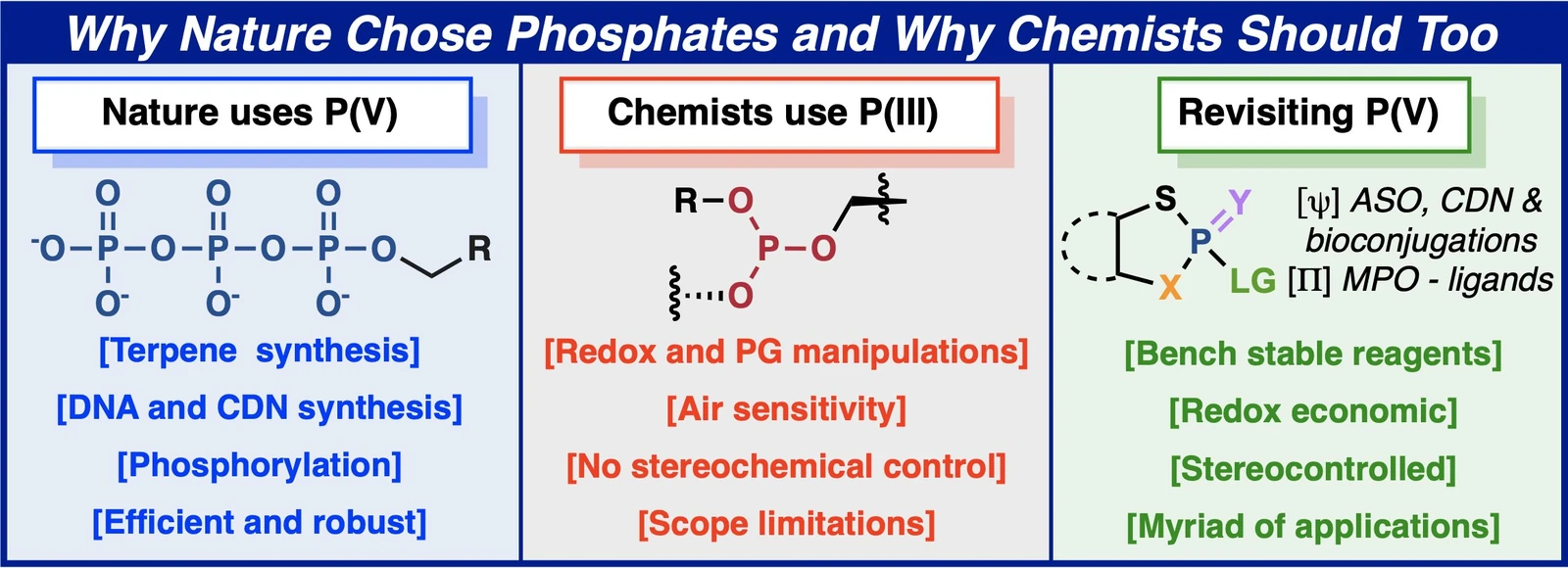
The lab’s 2021 Outlook, Nature Chose Phosphates and Chemists Should Too, starts from biology. Phosphate links are remarkably stable (the half-life of the DNA backbone to background hydrolysis is around 30 million years) yet enzymes can open them on demand. Nature makes and breaks them in phosphorus’s P(V) oxidation state.
Chemists began there too. Todd made the first oligonucleotide in 1955 with P(V) reagents; Khorana extended the chemistry to long strands, including a 72-mer tRNA. But P(V) couplings were sluggish. As the 2024 review puts it, although the earliest laboratory methods for forging these P–O bonds also used P(V), “it was cast away in the 1970s because of the superior coupling efficiency of P(III)-based reagents.” Letsinger’s move to more reactive P(III) reagents, and then the phosphoramidite method, took over. The price is an extra step in every cycle: the P(III) link has to be oxidized or sulfurized back to P(V).
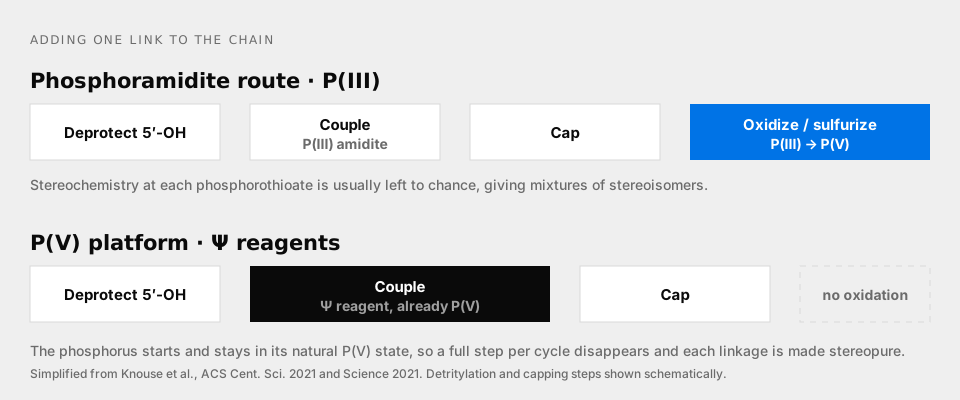
A first-principles analysis, the review argues, still favours P(V) if the reagents can be improved: the approach “would negate an oxidation step, avoid excessive protecting group chemistry, and possibly rely on more-stable monomeric precursors.”
Still the gold standard, and still hard to scale
Despite those limitations, phosphoramidite chemistry “remains the gold standard for oligonucleotide manufacture.” The ability to produce a 20-base strand in about 50% yield and about 90% purity is impressive, the review notes, “considering that the synthesis comprises ~80 chemical steps.” The method is also highly flexible: it can make oligonucleotides, and their conjugates, with diverse chemical modifications. A great deal of work has gone into modernizing it — recovering or replacing reagents and solvents, moving purification from reverse-phase to aqueous ion-exchange or hydrophobic-interaction chromatography, and even using sulfurization by-products to cap failure sequences and skip a step.
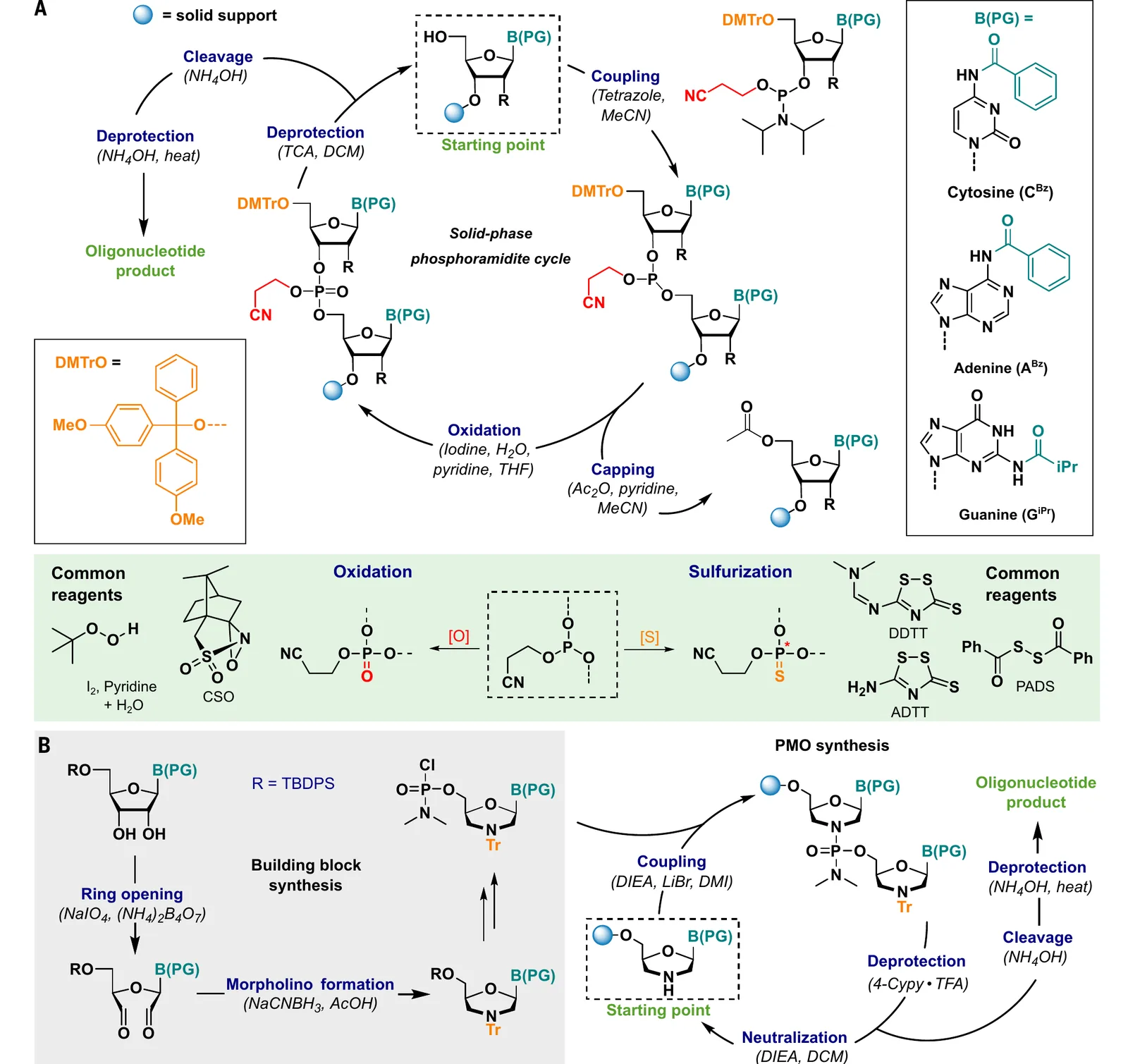
The key to scaling up, the review argues, is liquid-phase chemistry that can shed excess reagents without a solid support. An early example, high-efficiency liquid-phase oligonucleotide synthesis, grew a 20-mer on soluble polyethylene glycol at a 10-milligram scale, but needed about 80 isolation steps and large volumes of solvent. Ajinomoto Bio-Pharma Services later applied its Ajiphase technology — soluble anchors with long alkyl chains, originally developed for peptides — so that detritylation, coupling and oxidation or sulfurization can be telescoped in one pot, with only one precipitation per nucleotide. A 21-mer has been produced in 60% yield; PMOs have been made in 10-kilogram batches to support clinical trials; and the review reports that the FDA has approved manufacture of an undisclosed commercial oligonucleotide by this method. Other groups have used organic-solvent nanofiltration on branched polyethylene glycol supports, or assembled oligonucleotides from shorter fragments. A notable Biogen example built an 18-mer from tetramer and pentamer blocks on a 200-gram scale, in 49% overall yield and 80% purity, later improved to about 90% by tighter control of the couplings.
A further limitation is the lack of stereocontrol when PS linkages are made. Efforts to set that stereochemistry date back to the 1990s, with chiral phosphoramidite analogues that gave reasonable couplings but only modest control. A later breakthrough used non-nucleophilic activators to couple bicyclic oxazaphospholidine monomers on a solid support. Chiral phosphoric acid catalysts have also been used to control P(III) centres, so far for linear and cyclic dinucleotides. The review also notes a recent suggestion that batch-to-batch changes in diastereomeric composition could undermine clinical outcomes — one more reason to care about a stereodefined backbone.
A reagent from orange peel
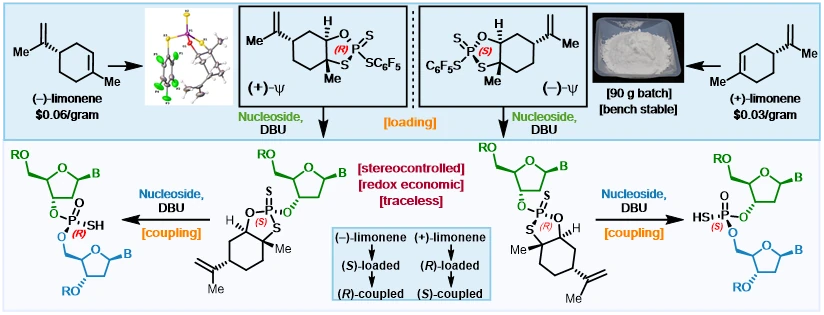
In 2018, with Bristol Myers Squibb, the lab described a family of P(V) reagents, called Ψ (psi), made from limonene. For a P(V) approach to be viable, the review argues, the reagents would need to be inexpensive, able to make more than one kind of P–X linkage, stable to air and moisture, and comparable in coupling efficiency to P(III).
Early pioneering studies by the Stec group had pointed to a heterocyclic oxathiaphospholane backbone, but the first-generation monomers were themselves made from P(III) precursors, needed chromatographic separation of diastereomers, and coupled poorly. A systematic redesign produced stable, crystalline reagents from inexpensive limonene, “readily available on a commodity scale in either enantiomer.” Each enantiomer installs a phosphorothioate link in a chosen configuration: “programmable, traceless, diastereoselective phosphorus-sulfur incorporation,” in the words of the 2018 Science paper. The only activator required for loading and coupling is the inexpensive amine base DBU. In an early proof of concept, a pentamer made with Ψ came out as a single stereoisomer, where the phosphoramidite method gave a mixture. Designer P(III) reagents for the same job need at least seven steps to make.
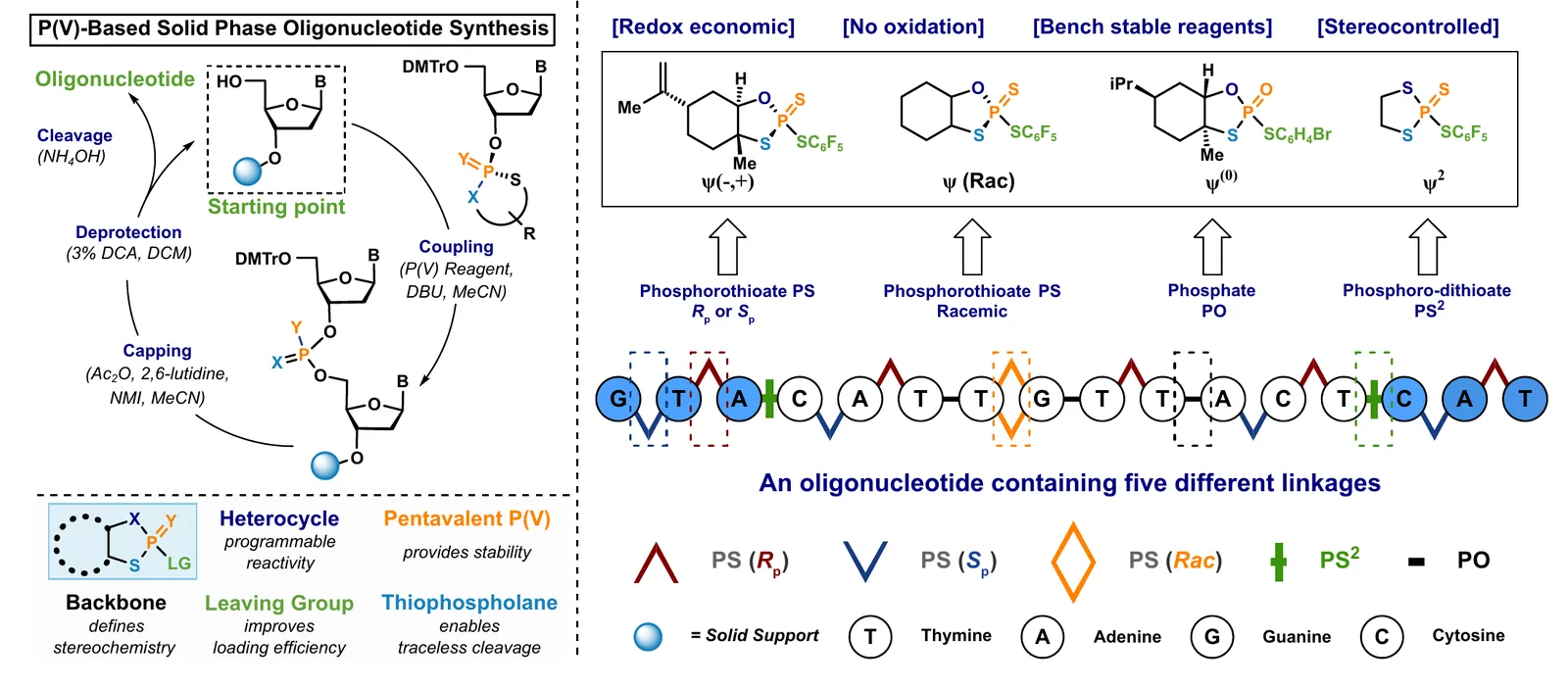
That first report was applied to small sequences and cyclic dinucleotides. It had not yet been put on an automated synthesizer, and other linkage types still required P(III) chemistry. Three years later a unified platform addressed those limits. Three new reagent systems — rac-Ψ, ΨO and Ψ2 — allowed programmable synthesis of chimeric oligonucleotides, bearing several kinds of phosphorus linkage, on commercial solid-phase synthesizers. The Ψ cycle forms the P–O bond directly in the P(V) state, so it “obviates the need for sulfur-based protecting groups and superfluous redox steps.” The (+)-Ψ and (−)-Ψ reagents install chiral PS linkages; ΨO, Ψ2 and rac-Ψ install phosphodiesters, phosphorodithioates and racemic PS motifs respectively. A follow-up in Org. Lett. introduced a cheaper reagent, Ψ-Br, and a more robust linker to lower the barrier to adoption.
⚗ For chemists
What the Ψ platform changes — and what it does not
Stereocontrol is “entirely dictated by the reagent employed,” and coupling forms the P–O bond directly in the P(V) state, so the platform “eliminates one full step” of standard solid-phase synthesis (the phosphorus oxidation). Earlier P(V) attempts were limited to about 15-mers by 92–94% coupling efficiencies. The 2024 review is careful not to overclaim: because P(III) chemistry has had many decades of optimisation, “it generally proceeds in higher yields in comparison to P(V).” The distinctive advantage of the newer chemistry is the ability “to provide homogeneous, stereopure oligonucleotides.” The review also notes “near immediate adoption by pharmaceutical companies”: a Biogen patent on liquid-phase P(V) processes, locked-nucleic-acid P(V) monomers at the Roche Innovation Center, oligonucleotides and cyclic dinucleotides at Bristol Myers Squibb, and therapeutic nucleotides at Gilead, among other users. Sequences that bear several linkage types, “such as the siRNA inclisiran, are of high interest, and the P(V) platform described above is ideally suited to assemble these complex products.”
Enzymes, in one pot or many fragments
Biocatalysis is already routine in small-molecule manufacturing, and several complementary strategies are being pursued for oligonucleotides. The most popular so far are convergent chemoenzymatic approaches, in which shorter chemically made fragments are joined by DNA or RNA ligases. Impurities accumulate with each chemical nucleotide addition, so making and assembling shorter pieces can give a cleaner product in higher yield. Ligases activate a 5′-monophosphate with ATP or NAD; the 3′-hydroxyl of the next fragment then forms the new link and releases AMP.
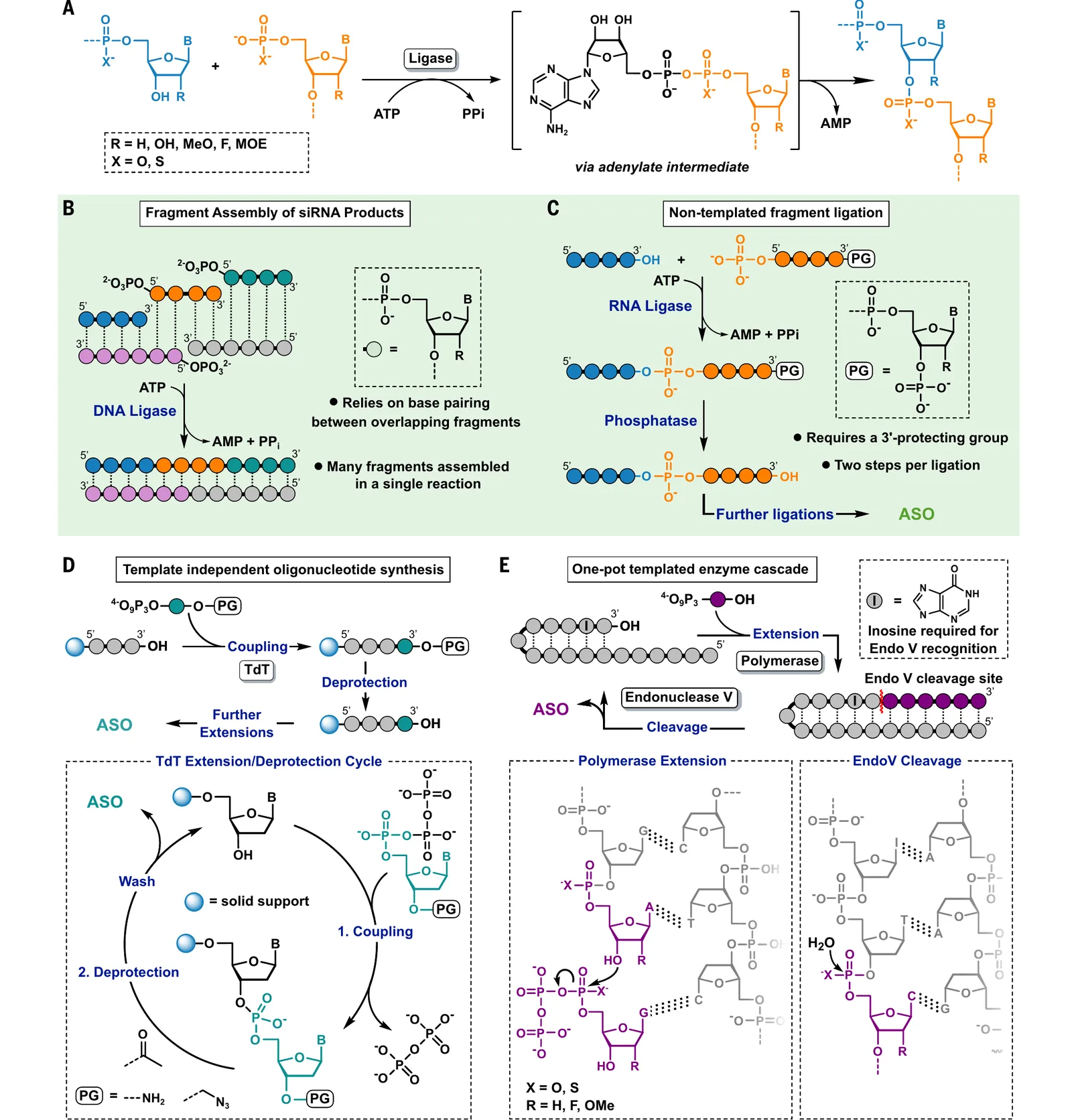
GSK has shown that single-stranded gapmers can be built from crude chemical fragments annealed to a complementary DNA template, so several pieces can be ligated in one reaction without protecting groups; fragments with insertions or deletions fail to anneal and can be filtered away, and the product can be released by heating at a purity that can make chromatography unnecessary. Almac, Alnylam and Ajinomoto have used double-stranded DNA ligases in a related way to assemble siRNAs, relying on overlapping base pairs rather than an extra template. Almac and Alnylam showed that up to six fragments, including therapeutically relevant modifications, can be ligated in one pot. Single-stranded RNA ligases can also join fragments, though the donor usually needs a temporary 3′-protecting group to prevent uncontrolled polymerisation.
A different dream is to grow a therapeutic strand from nucleotide monomers with enzymes alone. Terminal deoxynucleotidyl transferases (TdTs) are a leading candidate. In one recent study a TdT variant produced a 10-mer with an average coupling efficiency of 98.7% over ten cycles, but the scale was small and the method used a large excess of nucleotide monomers (250 equivalents). TdTs are also “poorly tolerant of common chemical modifications that are present in therapeutic sequences,” and will need extensive engineering. Poly(U) polymerases have been reported to be more tolerant of 2′-ribose modifications.
A more radical departure, reported in 2023 by Moody, Obexer and Lovelock — co-authors of the manufacturing review — replaces iterative extension and deprotection with a single biocatalytic cascade. A polymerase extends a self-priming hairpin template; an endonuclease V then cuts the product free and regenerates the template, so multiple cycles can run in one pot. The method produced clinically relevant molecules that combine phosphate and PS linkages with 2′-ribose modifications. As a showcase, the FDA-approved drug fomivirsen, which contains 20 PS linkages, was made in a reaction that consumed 90% of the available nucleotide building blocks; the product was isolated by filtration in 87% purity without chromatography. Enzymes reported so far tend to prefer RP linkages; a next step, the review notes, is to develop complementary catalysts for SP linkages.
From the lab to a company
The lab’s industrial partner from the start was Bristol Myers Squibb, whose chemists co-authored the 2018 and 2021 Science papers. Phil Baran and Kyle Knouse, first author of the 2018 paper, went on to co-found Elsie Biotechnologies in San Diego with Dillon Flood and Phil Dawson, a company based on this P(V) chemistry. In the competing-interests statement of the 2024 review, Baran is disclosed as a co-founder and shareholder of Elsie. The review itself is a survey of the manufacturing field — chemical synthesis, biocatalysis and process engineering — not an account of the company.
GSK began a research collaboration with Elsie in July 2023. In June 2024 it announced that it had acquired the company for up to $50 million (about £39 million), to integrate Elsie’s “oligonucleotide discovery, synthesis, and delivery technologies” into its own platform.
GSK announcement, 6 June 2024
“GSK accelerates oligonucleotide platform and pipeline medicines with acquisition of Elsie Biotechnologies.”
Manufacturing at the scale of medicine
The 2024 review’s outlook is deliberately integrative. Further improvements, it argues, will come from combining the best parts of each approach: for example, moving P(V) chemistry — including the Ψ reagents — from solid to soluble supports, and pairing that with nanofiltration, or assembling P(V) fragments by the kind of convergent or enzymatic ligation already demonstrated for phosphoramidites. Large-scale manufacture will also need a secure, low-cost supply of nucleotide building blocks; P(V) methods are attractive here because they can be derived from renewable commodity chemicals such as limonene. Biocatalysts will have to be engineered to work on a broad range of modified substrates under process-viable conditions. The review even floats, as a longer-term possibility, applying these ideas to sequences of the length of mRNA vaccines and therapeutics (about 103 to 104 nucleotides).
The aim is not a single winning method but “an integrated portfolio of synthetic methods and manufacturing technologies” able to deliver the many kinds of oligonucleotide now moving through the pipeline, “toward the sustainable manufacture of diverse oligonucleotide products.” The 2021 Outlook ends with a phrase that sums up the lab’s view of P(V): the examples so far are “just the tip of the iceberg.”
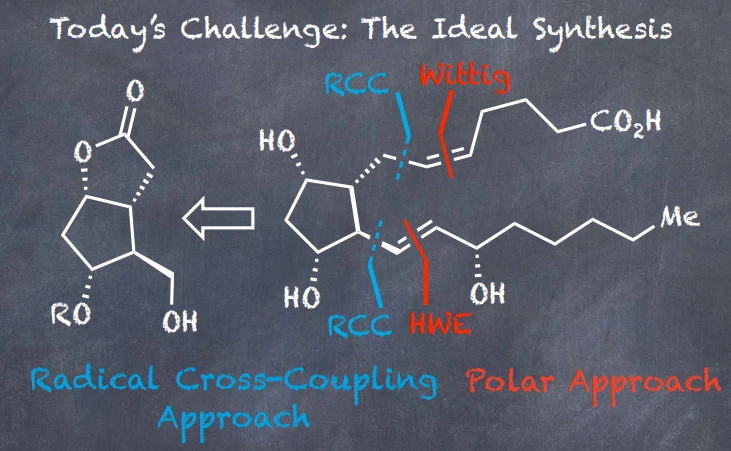
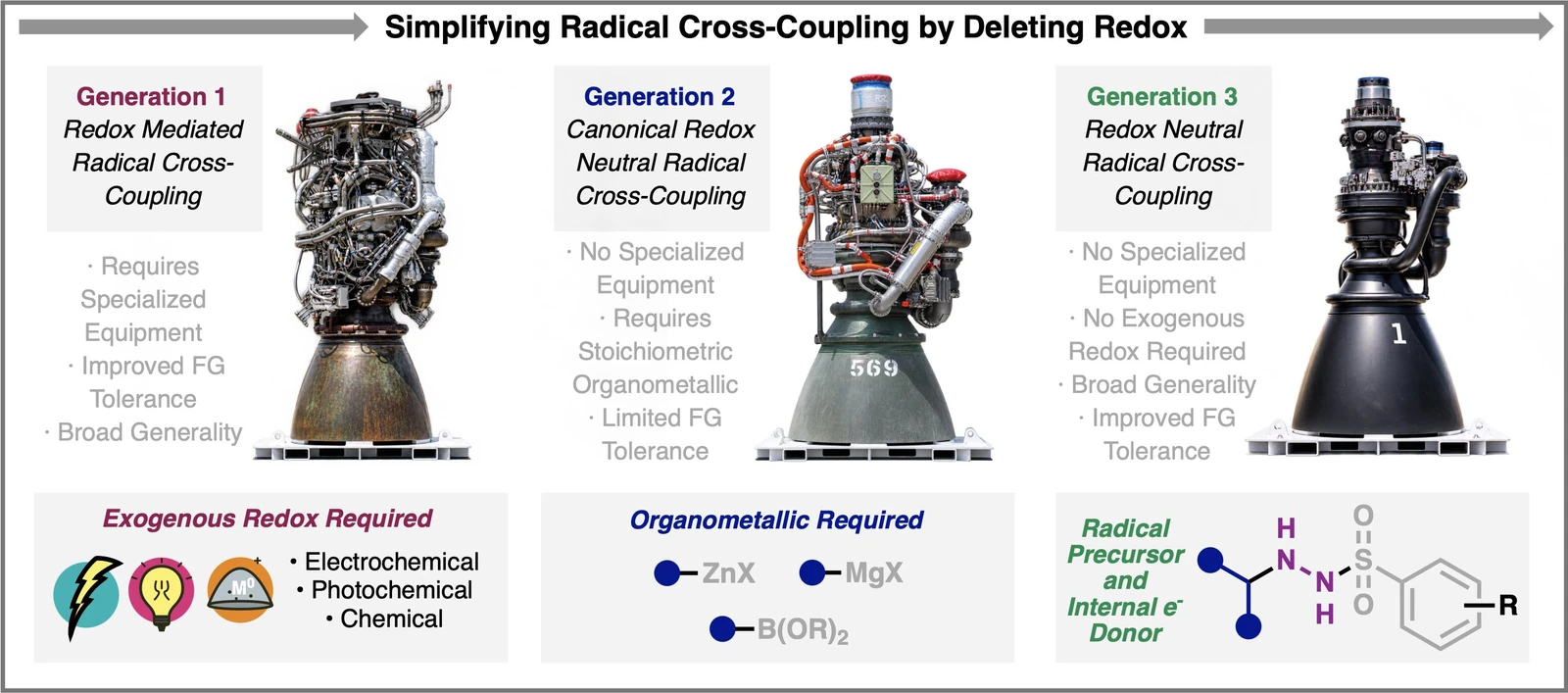
See also how radical chemistry and electrochemistry are reshaping the rest of the lab’s work: radical cross-coupling and electrochemistry.
 The logicThinking in radicals
 Cross-couplingDeleting redox
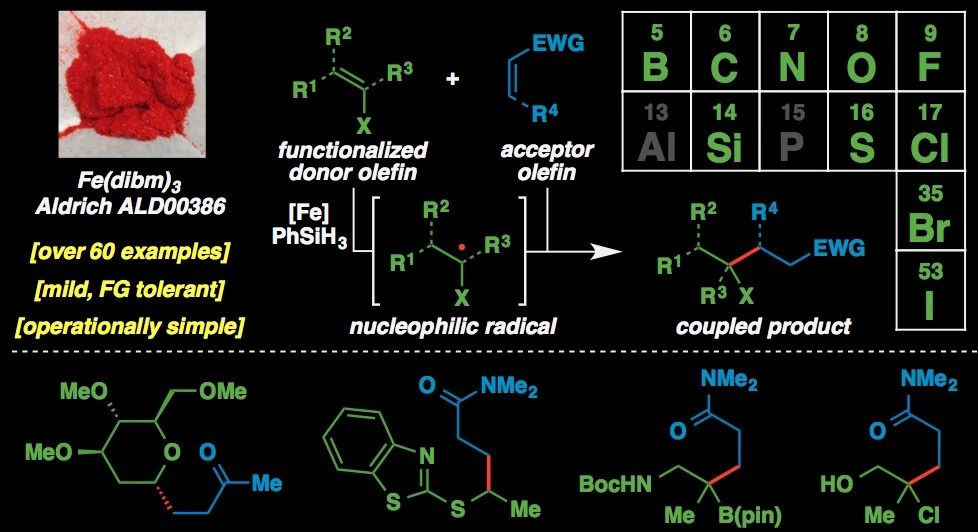 Olefins / MHATOlefins as radicals
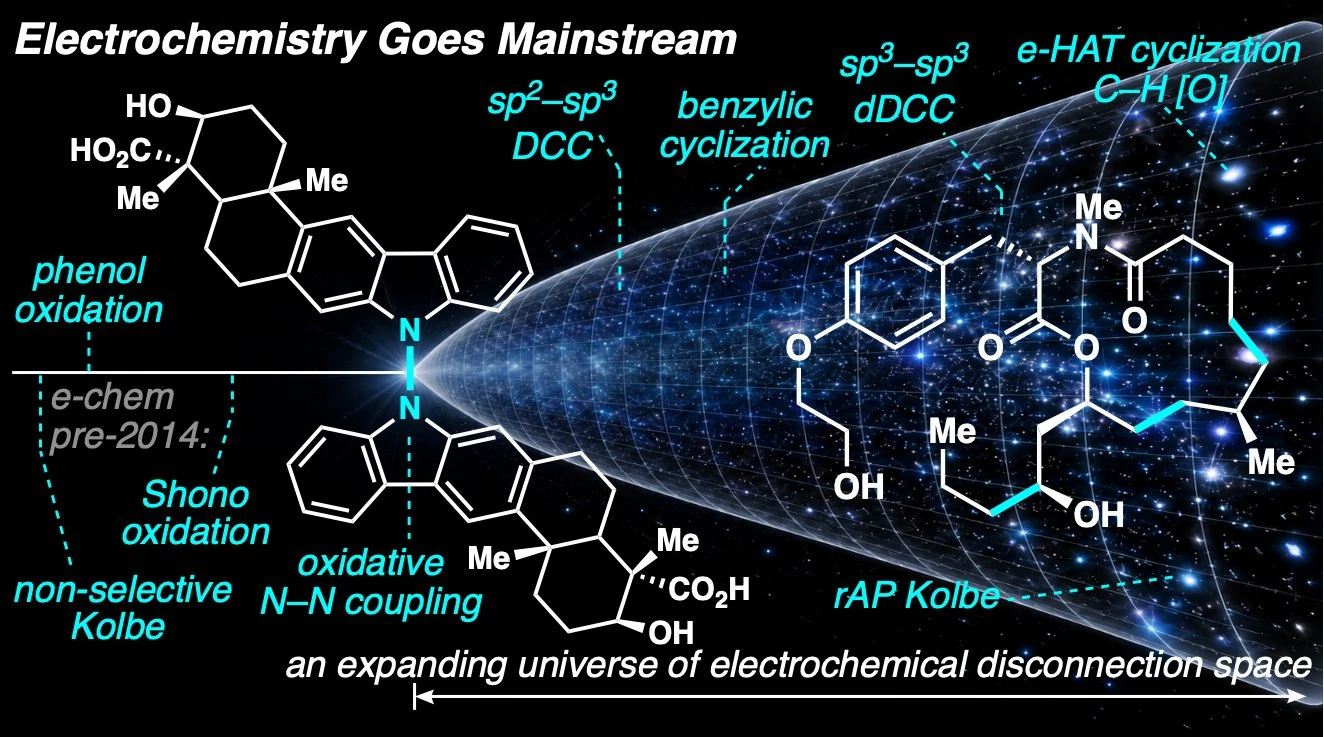 ElectrochemistryThe electron as a reagent
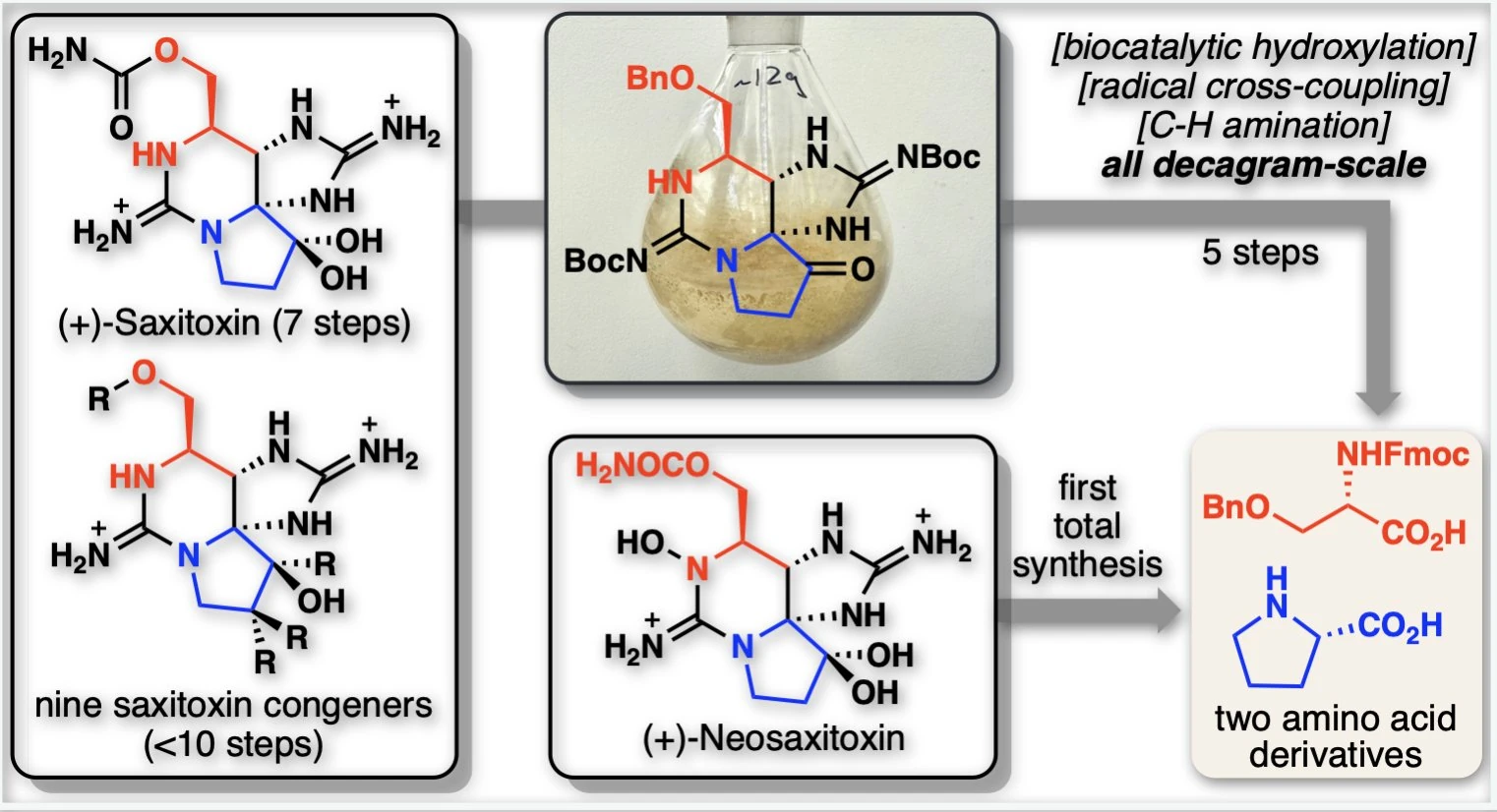 Total synthesisProving ground
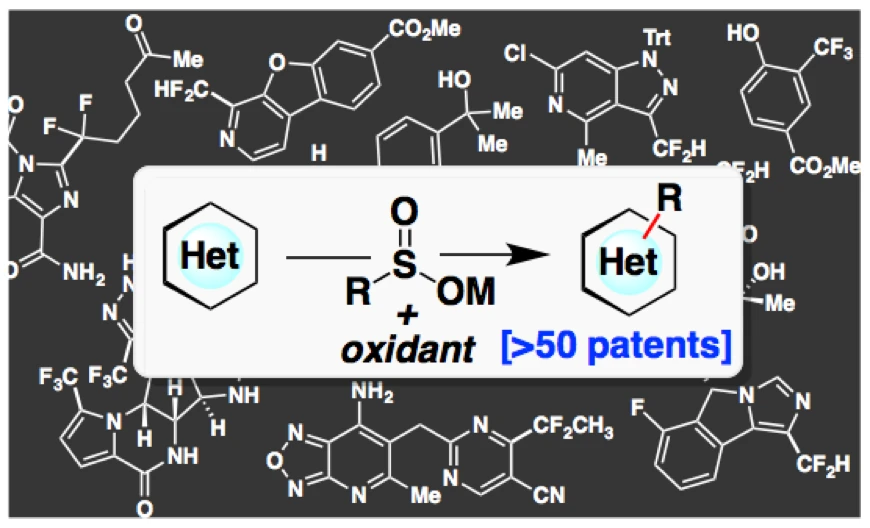 ReagentsReagents in a bottle
 PeptidesRewriting the peptide
 C–H functionalizationC–H logic